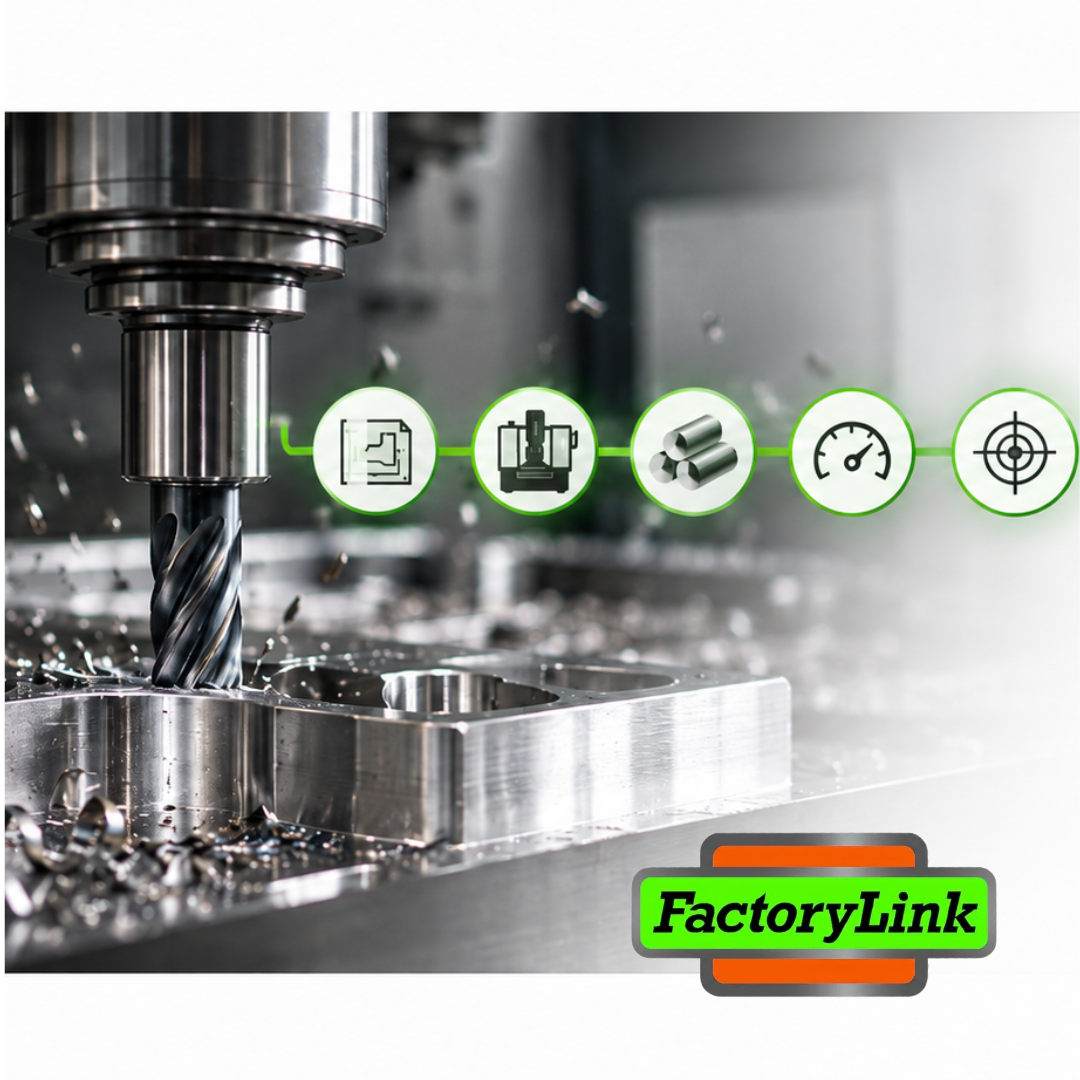
At FactoryLink, the shop comes first. When you bring us a problem, we make sure we understand it before we recommend anything. That matters because most machining problems don't have a single cause. Tool life, finish, cycle time, and tolerance all come from the same system: the feature, the machine, the material, and how the cut is run.
This week, we're walking you through how we diagnose a problem: five questions, asked in order, before any recommendation. The last question often decides where we look first. It's what you get when you call us. And when a deadline won't wait for a call, it's a process you can run yourself.
If you've been machining for years, you've probably seen a version of this before. You know your machines and your parts better than anyone. What we bring is the wide view from hundreds of operators across six states, and even the most seasoned machinist can get something from a fresh look at the basics. These five steps are how we put the two together.
1. What are you trying to make?
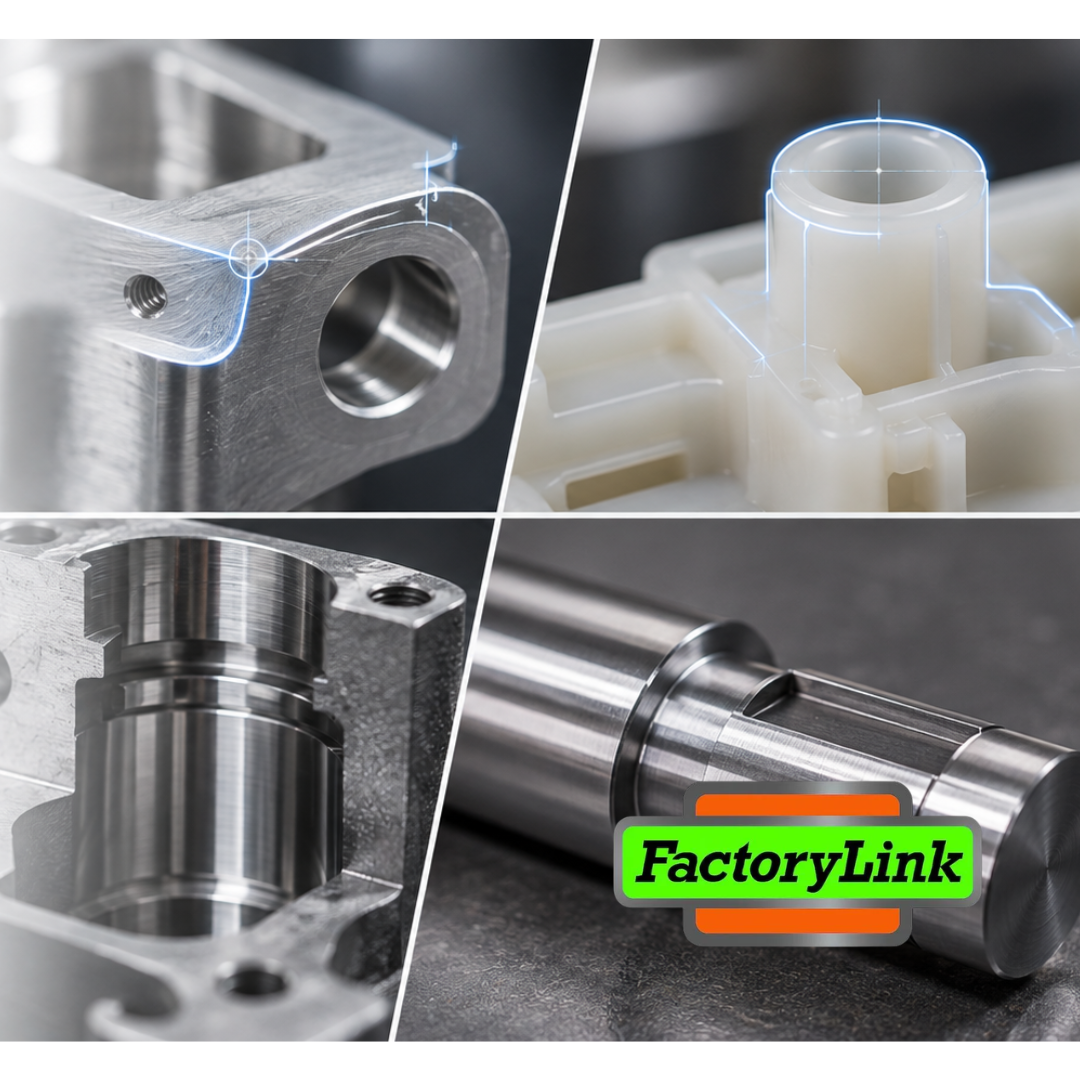
We start with the part print, and then with the feature. A blueprint tells part of the story; the feature tells the rest. Interpolating a 2-inch bore, plunging a deep cavity, and pocketing thin-walled aerospace components are three different problems, even on the same part.
Matching tool geometry to the feature removes the first bottleneck. A deep pocket isn't just about finding a tool long enough to reach. We look at reach, neck clearance, and core thickness, because those decide whether the tool deflects. Deflection is what turns a straight wall into a tapered one and a good part into scrap.
The goal is the right tool on the first try, whether that's an endmill with the right length-to-diameter (L/D) ratio, a high-feed mill, or a specialized drill.
2. What machine is it running on?
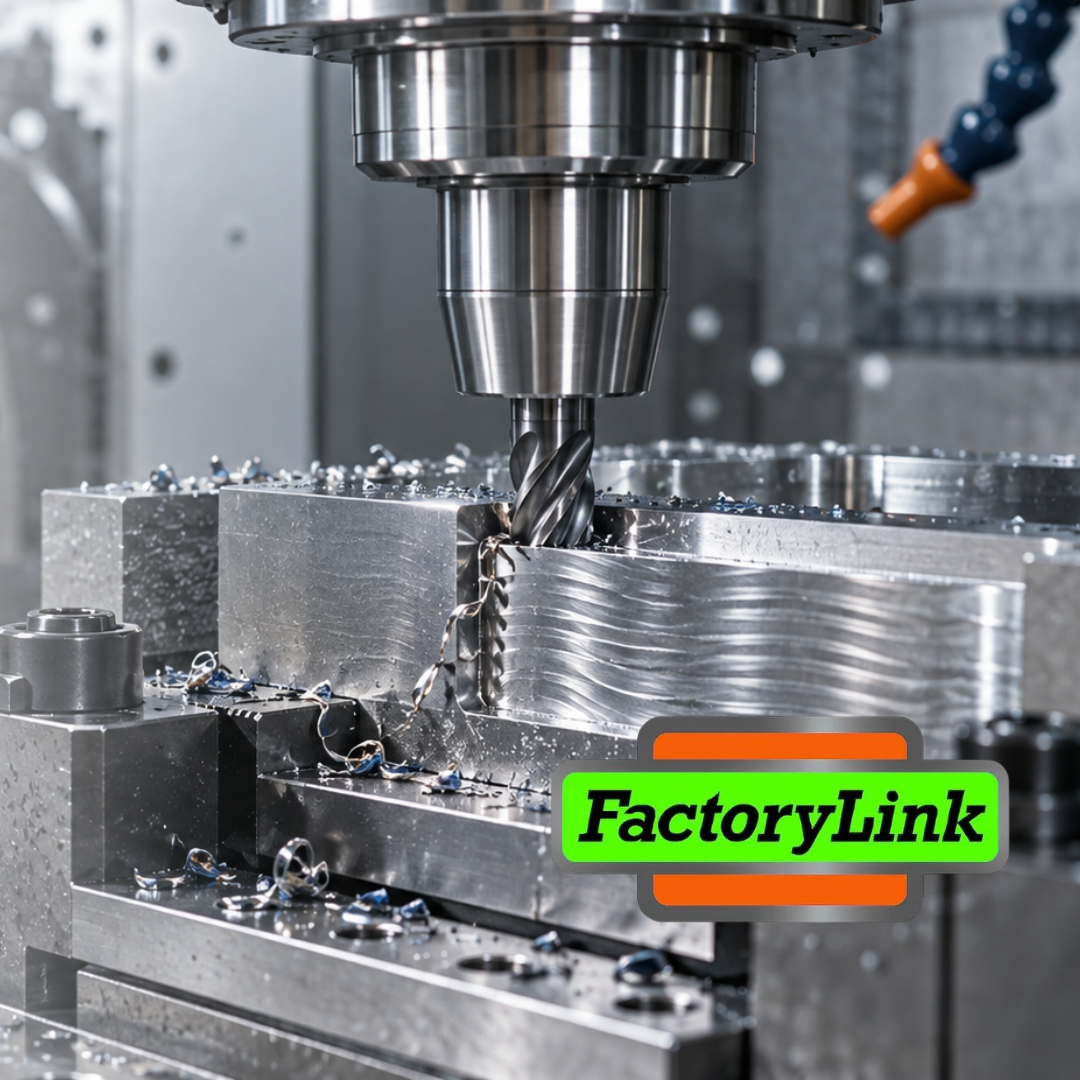
A tool only performs as well as the machine behind it. Put the most aggressive carbide on the market in a spindle with worn bearings, and it will chatter no matter how good the tool is. Run a tool too conservatively on a heavy, rigid machine, and you leave that rigidity unused.
So we ask for the make and model. We look at spindle taper, available torque across the RPM range, and how the control handles look-ahead. A toolpath built on a high feed rate means nothing if the control slows down in tight corners. When that happens, the tool rubs instead of cutting, and heat builds fast.
The recommendation has to match the muscle and the brains of the machine it's going on.
3. What material are you cutting?
Sometimes the material is called out on the print. Sometimes it isn't. Either way, it changes everything. 1018 mild steel, 304 stainless, and Titanium 6Al-4V follow different cutting physics. Treat gummy titanium like abrasive tool steel, and you either melt the cutting edge or chip the corners.
We don't stop at the material name. We ask about its condition: annealed, heat-treated, or work-hardened. Then we match it to the carbide substrate, rake angle, and coating. The wrong coating on aluminum, for example, can cause material to weld itself to the tool as built-up edge, which leads to failure.
Get the material right, and the chip forms properly and carries the heat away with it, instead of leaving it in the part or the tool.
4. How are you running it now?
If you're already making parts but aren't happy with the results, your current parameters tell the story. A failed tool or a finish that looks like a plowed field leaves evidence behind.
Take chatter. The natural instinct is to slow the feed down, and in many situations that's the right call. In some materials, though, a lighter feed makes the tool rub instead of cut. Rubbing builds heat and can work-harden the material, and the problem gets worse instead of better.
That's why we look at your current SFM (surface feet per minute), IPT (inches per tooth), axial depth of cut (Ap), and radial engagement (Ae). Then we read the chips and the tool wear. Together, they show whether the issue is micro-chipping from too light a chip load, thermal cracking from coolant delivery, or deflection from too much radial engagement.
This baseline keeps us from guessing. We fix the root cause, not the symptom.
5. What does success look like?
Every shop defines winning differently. If you're running thousands of automotive brackets, cycle time and chip-to-chip time are everything. If you're machining a $10,000 titanium forging for aerospace, finish, stress-free machining, and predictable tool life beat speed every time.
Naming the target up front keeps us from solving the wrong problem. If you need a tool that runs lights-out for a full shift without operator intervention, we won't recommend an aggressive, high-risk parameter set just to save three seconds.
We build the tooling strategy around your number, whether that's double the tool life, a better finish, a shorter cycle time, tighter tolerances across a long run, or maximum metal removal rate (MRR).
Your target also tells us where to look. If the goal is faster cycle time, the answer may be a better tool, or it may be quick-change workholding. If it's longer tool life, it could be the tool or the toolholder. If it's tighter tolerances, we look at toolholding first, though the tool can still be the cause. The fix isn't always the cutting tool, and that's why we look at the whole workflow.
Diagnosis first, recommendation second
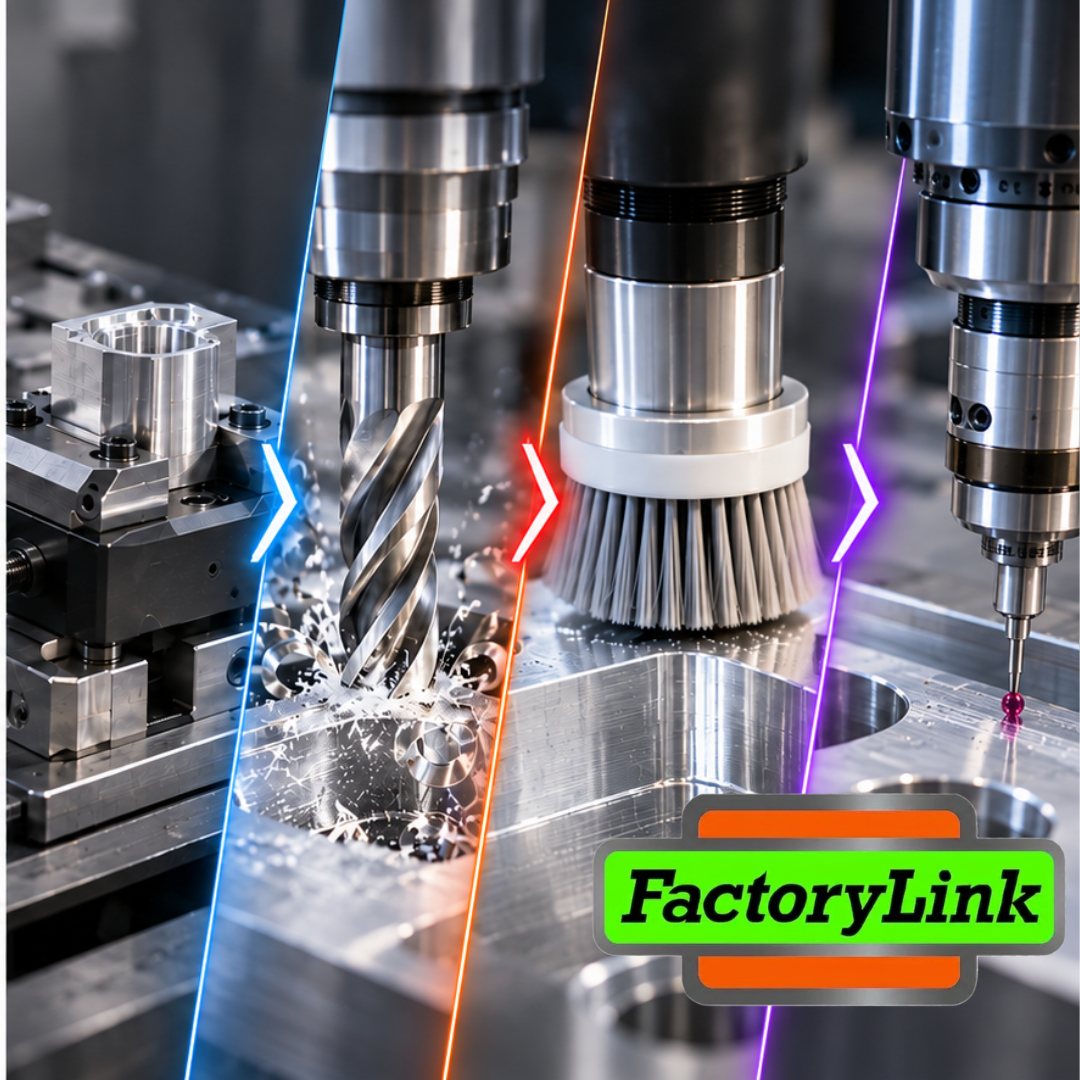
These five questions are how integrity shows up on the shop floor. We can't recommend anything with confidence until we understand the feature, the machine, the material, the current process, and your target.
Sometimes the answer is a new tool from one of the brands we represent. Often it's getting more out of the setup you already have. Either way, the goal is the same: improve the whole workflow, not just swap one component.
When we tore apart and rebuilt our website, we organized it around that same idea: what you need, not what we carry. If you run a manufacturing facility, the path for shops leads straight to a problem-solving consultation or a free on-floor demo. Bring us the problem you can't figure out, and we'll start with the first question.
/ Want this on your floor?
Let's run it on your toughest part.
Free, on-site demo across MI, OH, IN, KY, IL, PA, WV.