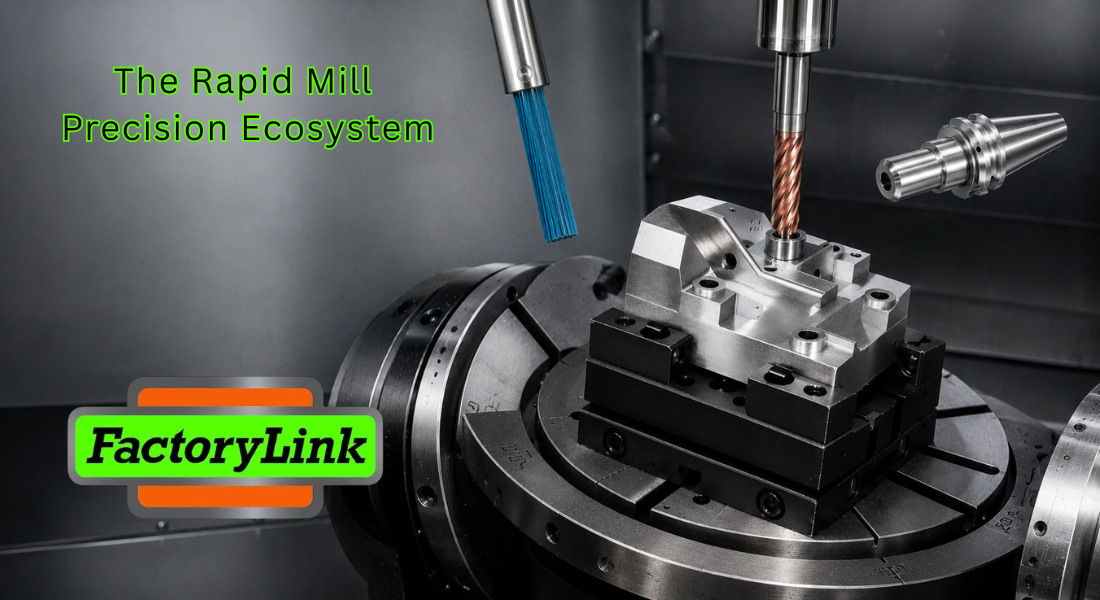
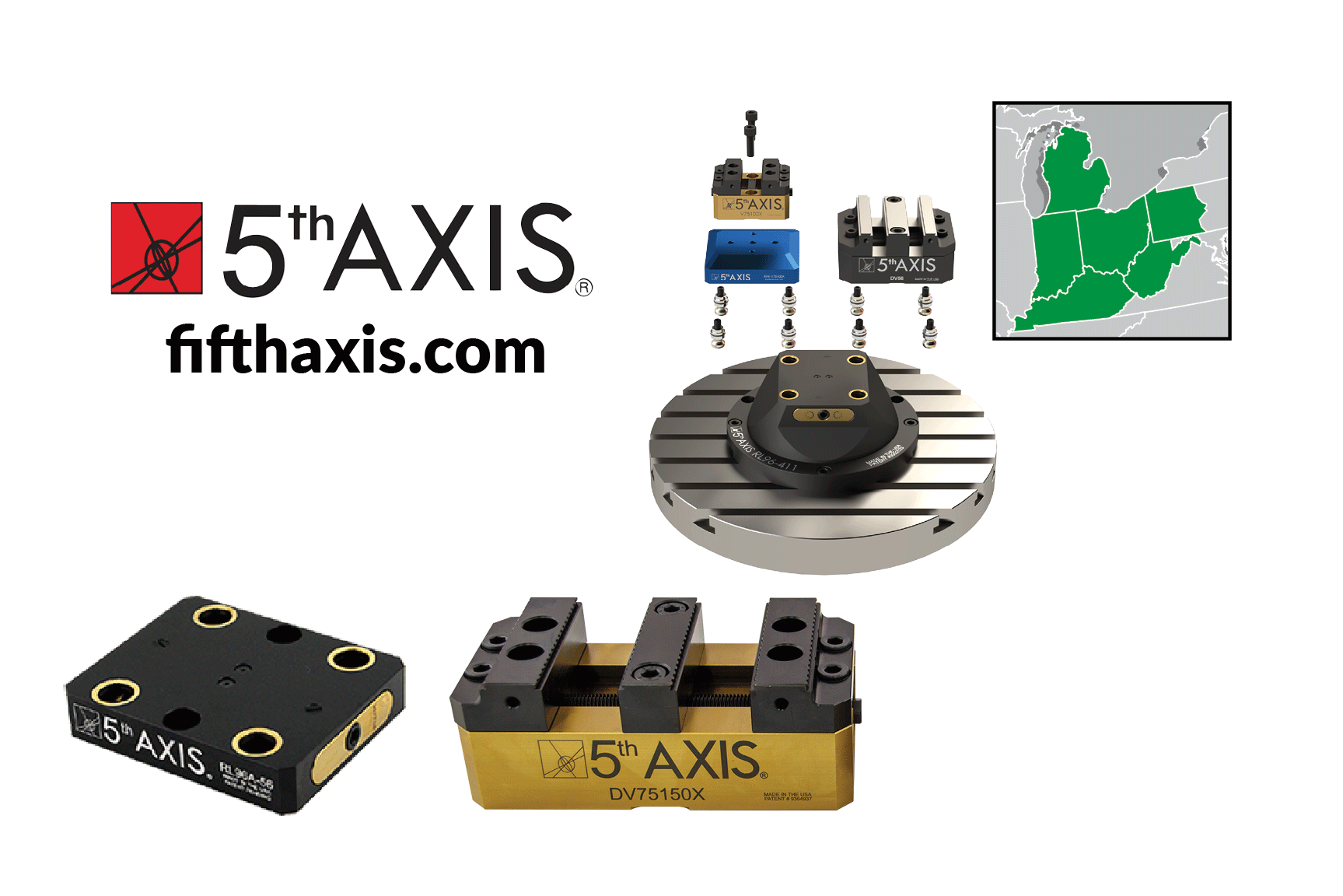
Modular workholding systems are becoming increasingly popular in manufacturing and machining industries, and for good reason. These systems offer a range of advantages for end-user customers, including:
1. Flexibility: Modular workholding systems are designed to be adaptable and can be easily reconfigured to accommodate different parts and production runs. This means that manufacturers can quickly switch between different products and production processes, reducing downtime and increasing efficiency.
2. Customization: Modular workholding systems can be tailored to meet the specific needs of each customer. This allows manufacturers to create customized solutions that are optimized for their specific production processes and parts.
3. Improved accuracy: Modular workholding systems are designed to provide consistent and repeatable results, which is essential for maintaining accuracy and quality in machining and manufacturing processes.
4. Reduced setup times: Modular workholding systems are designed to be quick and easy to set up, reducing the time and effort required to prepare for production runs.
5. Increased productivity: With modular workholding systems, manufacturers can process multiple parts at once, increasing productivity and reducing cycle times.
6. Cost savings: Modular workholding systems can help reduce costs by minimizing the need for additional fixtures and tooling.
7. Improved safety: Modular workholding systems are designed with safety in mind, reducing the risk of accidents and injuries in the workplace.
8. Easy maintenance: Modular workholding systems are designed to be easy to maintain and repair, reducing downtime and extending the life of the equipment.
9. Scalability: Modular workholding systems can be easily scaled up or down to meet changing production demands, making them an ideal solution for manufacturers who need to adapt to changing market conditions.
10. Improved customer satisfaction: By providing manufacturers with the ability to produce high-quality products quickly and efficiently, modular workholding systems can help improve customer satisfaction and loyalty.
In conclusion, FactoryLink's 5th Axis modular workholding systems offer a range of advantages for end-user customers, including flexibility, customization, improved accuracy, reduced setup times, increased productivity, cost savings, improved safety, easy maintenance.
Visit our website to schedule a call with our technical support team to learn more about how we can assist with your workholding needs.
Are Your Height Gages Keeping Up With Your Shop?
By Keith Brown•May 15, 2026
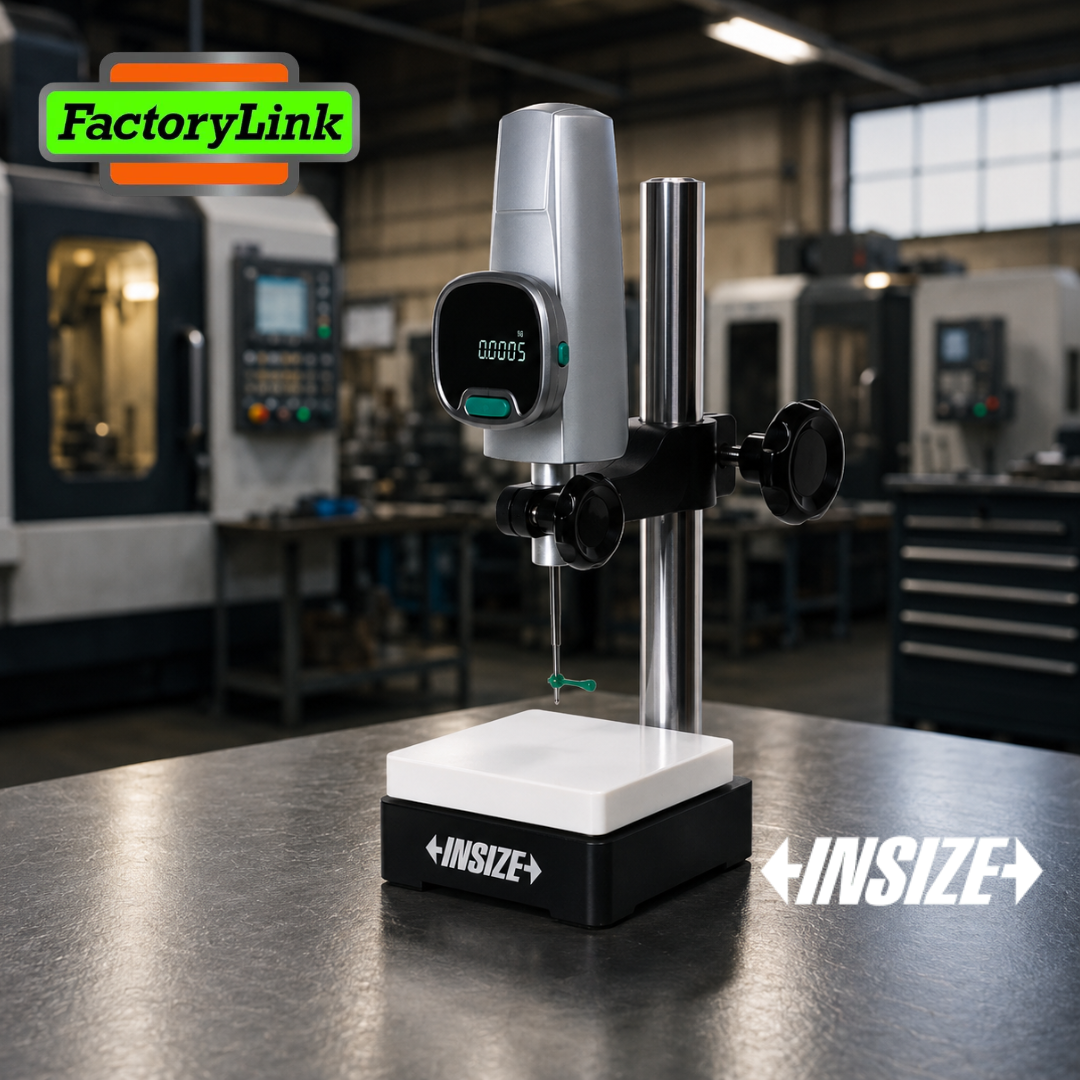
In most job shops, height gages don’t get a lot of attention — until something goes wrong. A part gets through inspection that shouldn’t have. A batch comes back. A customer calls. The reality is that height measurement sits at the center of quality control, and outdated or inconsistent tools create real problems: slower inspections, transcription errors, and dimensional issues that don’t get caught until they’re expensive. INSIZE digital height gages are designed to close that gap — across a range of applications and shop sizes. For shops doing high-precision inspection work, the Series 1155 brings resolution down to 0.5µm with a ceramic base for stability and USB output that sends data directly to Excel — no middleware, no manual logging. For production floor QC, the Series 1150 and 1151 cover ranges from 300mm all the way to 2000mm in stainless steel construction with ABS/INC measurement modes that let operators measure between features directly, without doing the math themselves. Smaller parts or offset surface work? The Series 1146 handles ranges down to 20mm with the same digital accuracy. The common thread across the line is that every unit is built to speed up the inspection process and reduce the room for error — whether that’s catching a bad part before it moves to the next operation, or giving a quality manager clean data for SPC reporting. If your current height gages are slowing your team down or adding steps to your documentation process, it’s worth a closer look at what INSIZE brings to the floor. Contact us to see how Insize can optimize your quality control
Stop Fighting the Cutoff
By Keith Brown•May 8, 2026
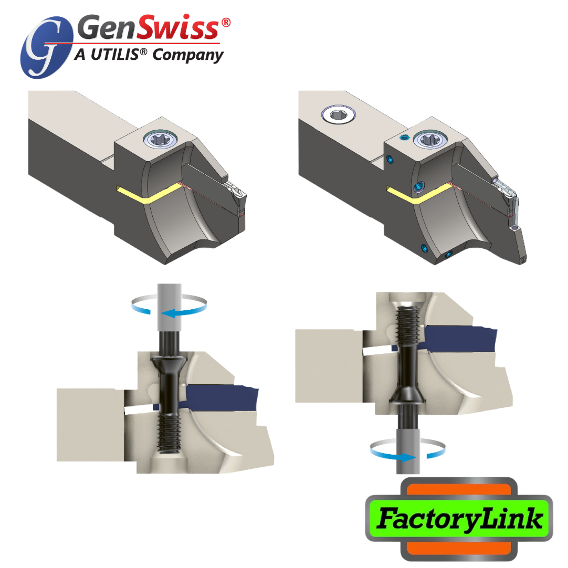
If you’re cutting off parts in a Swiss machine, you already know where things go wrong. Not at the start. Not even mid-cut. At the worst possible moment—right at separation. That’s where everything stacks up: Heat Chip load Tool pressure Coolant dependency And that’s where most setups fall apart. The Problem Isn’t the Insert. It’s Everything Around It. Standard cutoff setups rely on: External coolant lines Slim holders One-point cooling And it works… until it doesn’t. Then you get: Bird’s nests wrapping the part Chips choking the sub-spindle Coolant lines knocked out of position Heat buildup at the tip Dimensional drift mid-run And the worst one: You stop the machine… again… to pull chips off with pliers. The Swiss Cutoff Nightmare (You’ve Seen This) “It’s choked up again.” “Coolant isn’t even hitting the tip anymore.” “Why is the face finish wavy?” “Now I’ve gotta pull the holder just to flip an insert?” On larger Swiss diameters (32mm+), it gets worse. Standard holders flex. Now you’ve got chatter + heat + chip control issues—all at once. multidec®-5000 Fixes the System, Not Just the Tool GenSwiss didn’t just improve the insert. They fixed everything around it. Internal Coolant Plus (IC+) Dual coolant ports: One hits the chip breaker → forces chip curl One hits the cutting edge → controls heat No guessing. No aiming. No drift. Hose-Free Coolant (multidec®-LUBE System) Coolant runs through the block → into the holder → directly to the cut. No external lines. No “coolant dance.” No nozzle knock. Built for Larger Swiss Work This isn’t a light-duty holder. The 5000 series is designed for: 20mm–40mm bar work High torque cutoff Stability under load No “diving board” effect. No flex-induced chatter. Real-World Usability (This Matters More Than Specs) Top AND bottom screw access. Meaning: No pulling the holder No tearing down the gang slide No 10-minute insert changes You swap inserts in-machine in ~30 seconds . What That Means on the Floor Chips break instead of wrapping Coolant always hits the hot zone Stable cutoff on larger diameters No chip nests stopping production No manual cleanup every 10 cycles And most importantly: You stop babysitting the cutoff. The Result Tool life increases (150–200% typical) Machines run longer unattended Cycle times drop with more aggressive feeds Setup time is dramatically reduced Dimensional stability improves across the run This is what “lights out capable” actually looks like. Bottom Line If your cutoff process depends on: Perfect coolant aim Frequent stops Constant adjustments It’s not stable. multidec®-5000 removes the variables. And once you remove the variables… You get control back. Ask us How the Multidec 5000 can improve your workflow
Stop Setting It Up Twice.
By Keith Brown•May 1, 2026
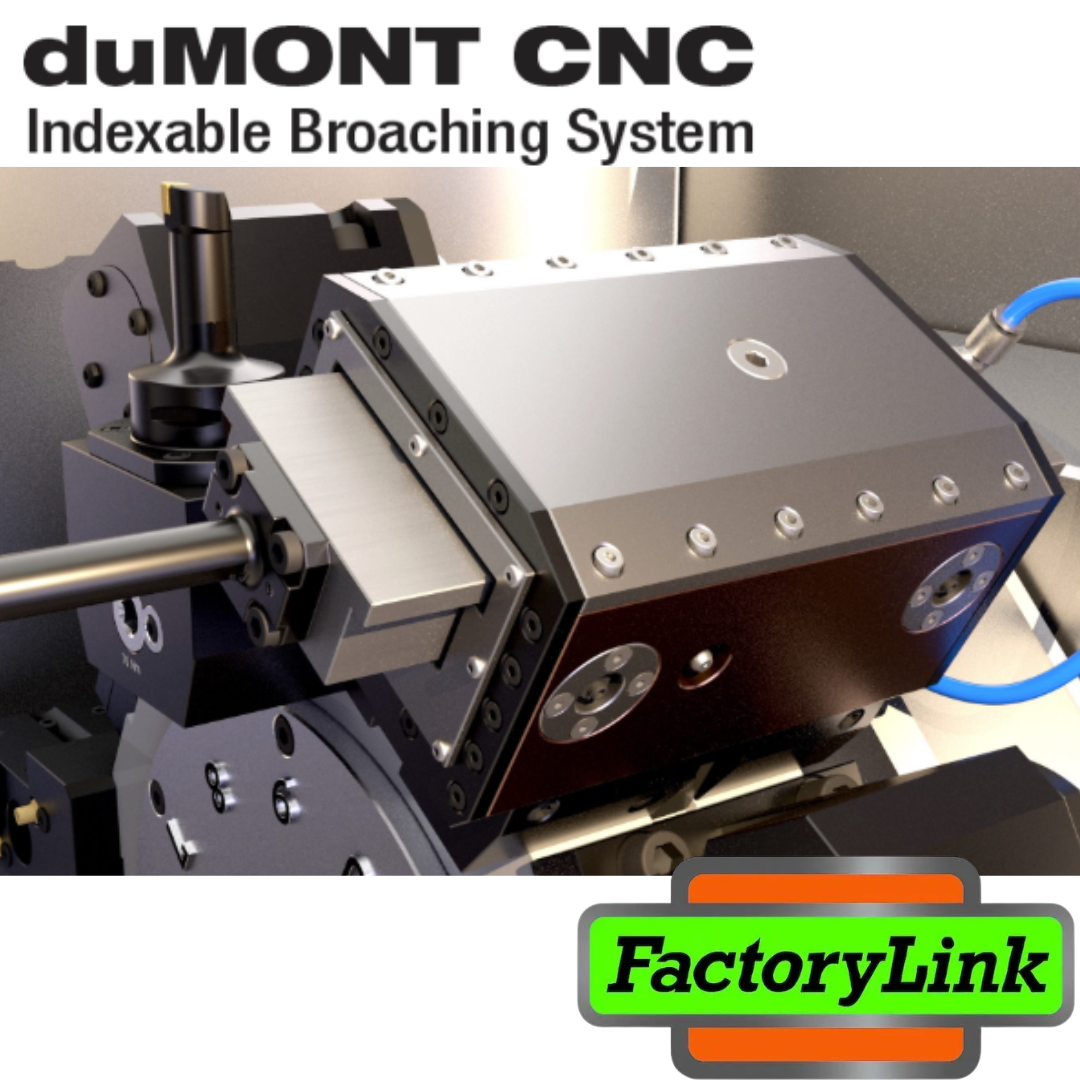
Keyways shouldn’t be a production bottleneck. But they still are. Not because they’re complicated— because the process around them is. When you need to machine a keyway, slot, or internal feature, the decision often comes down to imperfect options: broaching (if the setup even exists), wire EDM (slow and expensive), running secondary operations on another machine, or sending parts out altogether. What follows is rarely efficient. The workflow breaks. Parts are pulled from the machine, re-fixtured, and re-indicated. Alignment becomes a concern, and with every additional step, you introduce more time, more cost, and more risk. What should have been completed in-cycle turns into a fragmented process. This is the reality many shops face. “We’ll just broach it later.” “That has to go to EDM.” “We don’t have that capability on this machine.” “We lost position when we moved it.” These are common phrases on the shop floor—but they all point to the same issue. A one-operation part becomes a multi-operation problem. The duMONT CNC Motorized Slotter changes that by bringing the operation back into the machine. By converting rotary motion into a controlled vertical reciprocating stroke, it allows CNC lathes and mills with live tooling to perform slotting, keyway cutting, and internal shaping without ever removing the part. What does that actually mean in practice? It means single-setup machining. No part transfers. No re-indicating. No alignment risk. The feature is cut exactly where it belongs, maintaining precision from start to finish. With full CNC control, the stroke is programmable, with controlled depth and feed, delivering consistent, repeatable results without the variability of manual broaching. Because it integrates directly into existing programs and runs on machines with live tooling, there’s no need for dedicated slotting equipment. Tooling flexibility is another advantage. Whether it’s keyways, internal splines, slots, or form features, if it can be cut with a reciprocating tool, it can be completed in-cycle. On the shop floor, the impact is immediate. Secondary operations are eliminated. Outsourcing becomes unnecessary. Fixture changes are reduced. Alignment issues disappear. Instead of building workarounds, shops can complete parts in one setup. The result is measurable: reduced cycle time, improved positional accuracy, lower cost per part, faster turnaround, and increased machine utilization. Most importantly, the entire process stays under your control. Bottom line—if you’re moving parts just to finish internal features, it’s not a tooling problem. It’s a workflow problem. The duMONT CNC Motorized Slotter—and indexable broaching solutions—solve both. Let us show you how duMount Indexable Broaching can speed up your workflow
Want more information?
/ Want this on your floor?
Let's run it on your toughest part.
Free, on-site demo across MI, OH, IN, KY, IL, PA, WV.