Four Eras That Shaped the Midwest: Why Manufacturing Is More Than an Industry
There's a reason the Midwest is called the heartland. Long before that phrase became a cliché, it described something real: a region where ordinary people built extraordinary things, and where hard work actually changed what your life could look like.
Manufacturing was the mechanism that made that possible. Not just as an economic force — but as a social one. It created jobs, yes. But it also created communities, standards of living, cultural institutions, and a sense of identity that still runs deep in cities and small towns across the region.
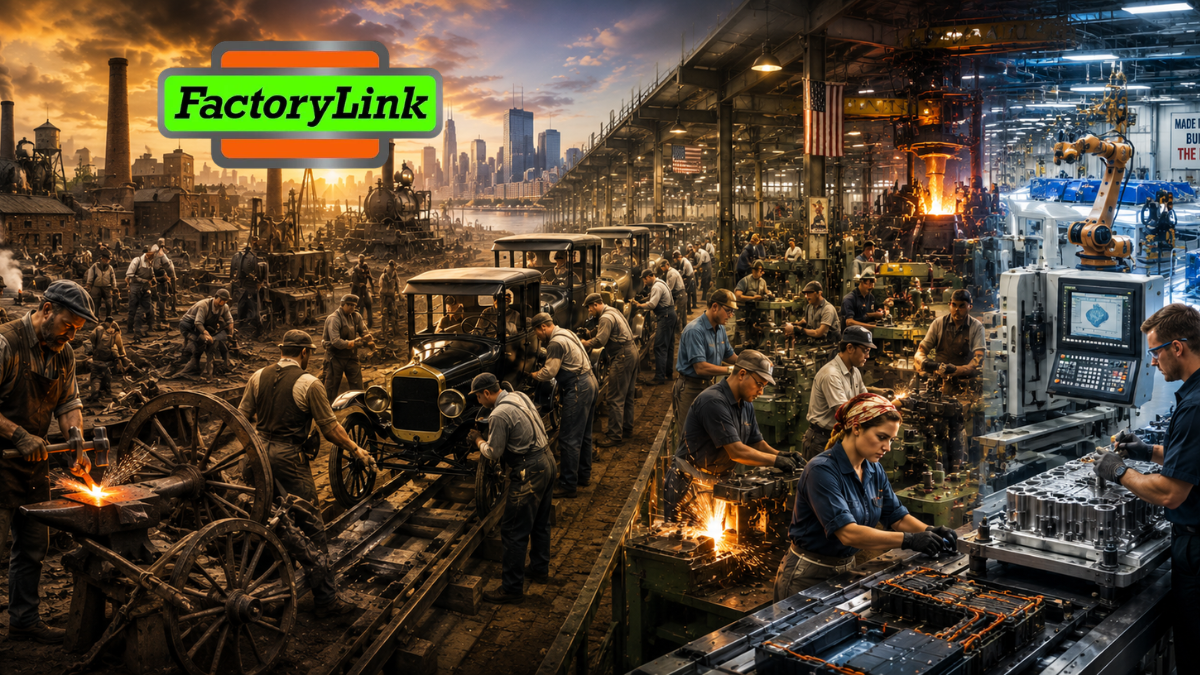
Here's a look at the four eras that built that legacy — and why it's still being written today.
1860s–1890s: Infrastructure, Innovation, and the Birth of the Industrial Midwest
The post-Civil War era set the stage for everything that followed. Rail lines spread across the region, turning the Midwest into a national logistics hub. Cities like Chicago and Cleveland exploded in size as meatpacking, steel production, and machinery manufacturing took hold.
Agricultural tools improved food production on a scale that changed how the country — and the world — ate. The connection between innovation on the factory floor and output in the field was direct and undeniable. This wasn't abstract economic growth. It was tangible. Measurable. Built by people who showed up to work every day.
1900s–1940s: Mass Production, High Wages, and the Arsenal of Democracy
The early twentieth century brought the assembly line, and with it, a fundamental shift in what industrial work could offer. Henry Ford's Detroit plant didn't just change how cars were made — it changed the math of working-class life. Workers could now afford what they were building. That connection between labor and reward was powerful.
When WWII arrived, Midwestern factories proved exactly what they were capable of. Conversion to wartime production happened fast, and the output was staggering. The region earned its place in history as the 'Arsenal of Democracy' — not through luck, but through the discipline and skill of its workforce.
These factory jobs also offered something rare at the time: high wages available to anyone with the drive to show up and do the work. Families moved into the middle class. Kids went to college. Neighborhoods were built around the plants and the people who worked in them.
1950s–1970s: The Worker's Golden Age
Mid-century Midwestern manufacturing created one of the most remarkable periods of broad-based prosperity in American history. Strong union contracts secured comprehensive healthcare, guaranteed pensions, and steady wage increases. The standard of living for a factory worker during this era was something earlier generations couldn't have imagined.
The opportunity was real enough to move for. The Great Migration brought hundreds of thousands of Black Americans into cities like Detroit, Cleveland, and Milwaukee — people seeking honest pay and better lives, and finding both on the factory floor. European immigrant communities — Polish, German, Irish, Italian — built entire neighborhoods around these industrial centers.
The cultural impact went beyond wages. Industrial wealth funded world-class public institutions. Schools. Parks. Museums. Libraries. The factory didn't just support families — it built the civic infrastructure around them.
1980s–Present: Advanced Manufacturing and the Next Chapter
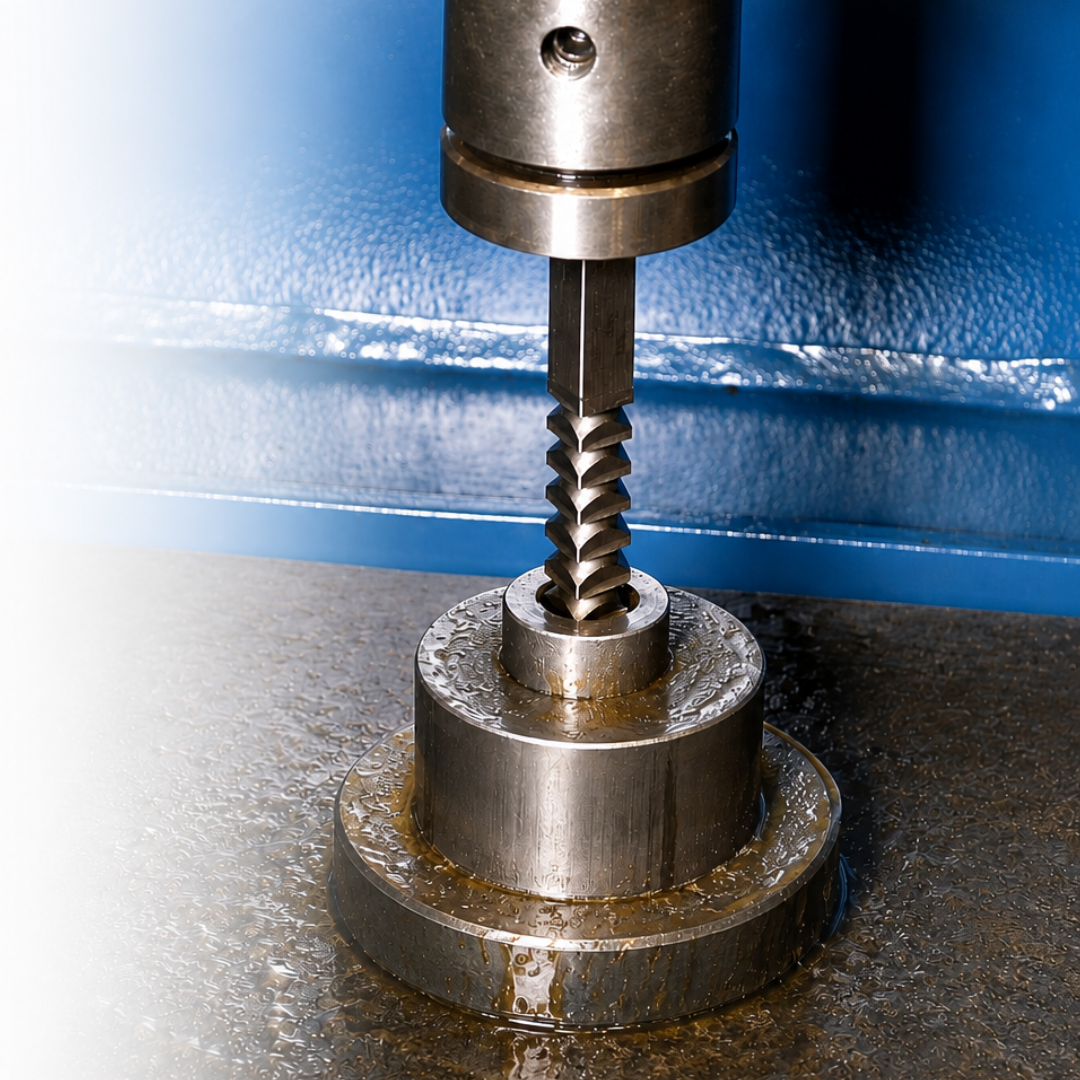
The industry has restructured. That's honest. But the Midwest didn't stop manufacturing — it advanced it. Today's facilities run on robotics, precision engineering, and automation. Medical devices, aerospace components, and electric vehicle systems are produced in the same region that invented the assembly line.
Major investments in EV battery production and green energy manufacturing are concentrated in the Midwest — a deliberate choice by companies that understand what this region has always offered: infrastructure, skilled workers, and an industrial culture that knows how to deliver.
Midwestern manufacturing continues to be a top contributor to U.S. exports and regional economic output. The work looks different. The tradition is the same.
The Bottom Line
Manufacturing in the Midwest was never just about output. It was about what that output made possible for real people. A first home. A retirement. A kid going to college. A community with a museum, a park, a library — things that outlast any single product line.
At Factory Link, we know where this industry came from. We serve the shops, the workers, and the teams that carry this tradition forward every day. And we believe that work deserves recognition — not just in history books, but in how we show up for the people still doing it.
The Midwest built the standard. The workers in today's shops are holding it.