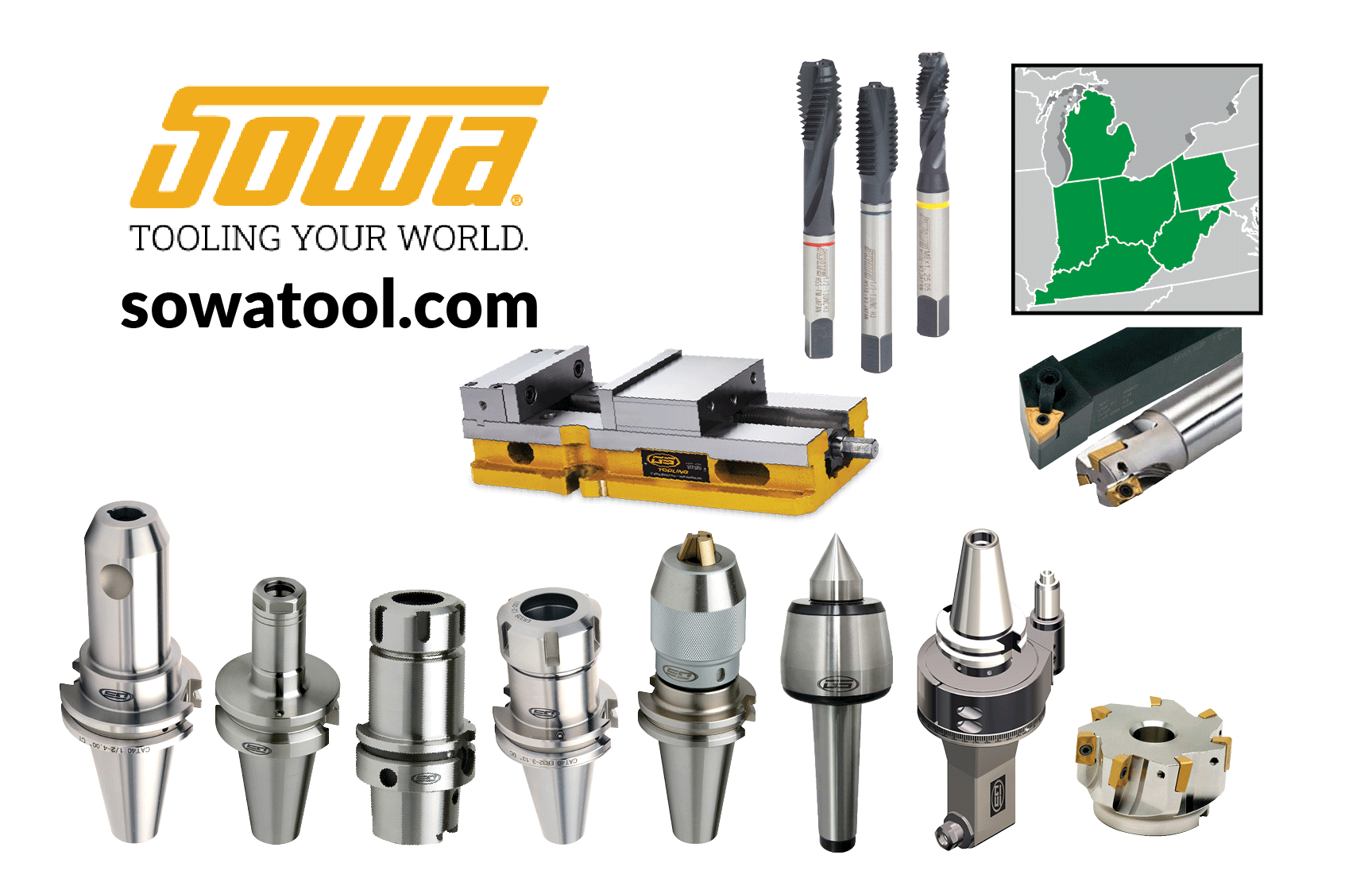
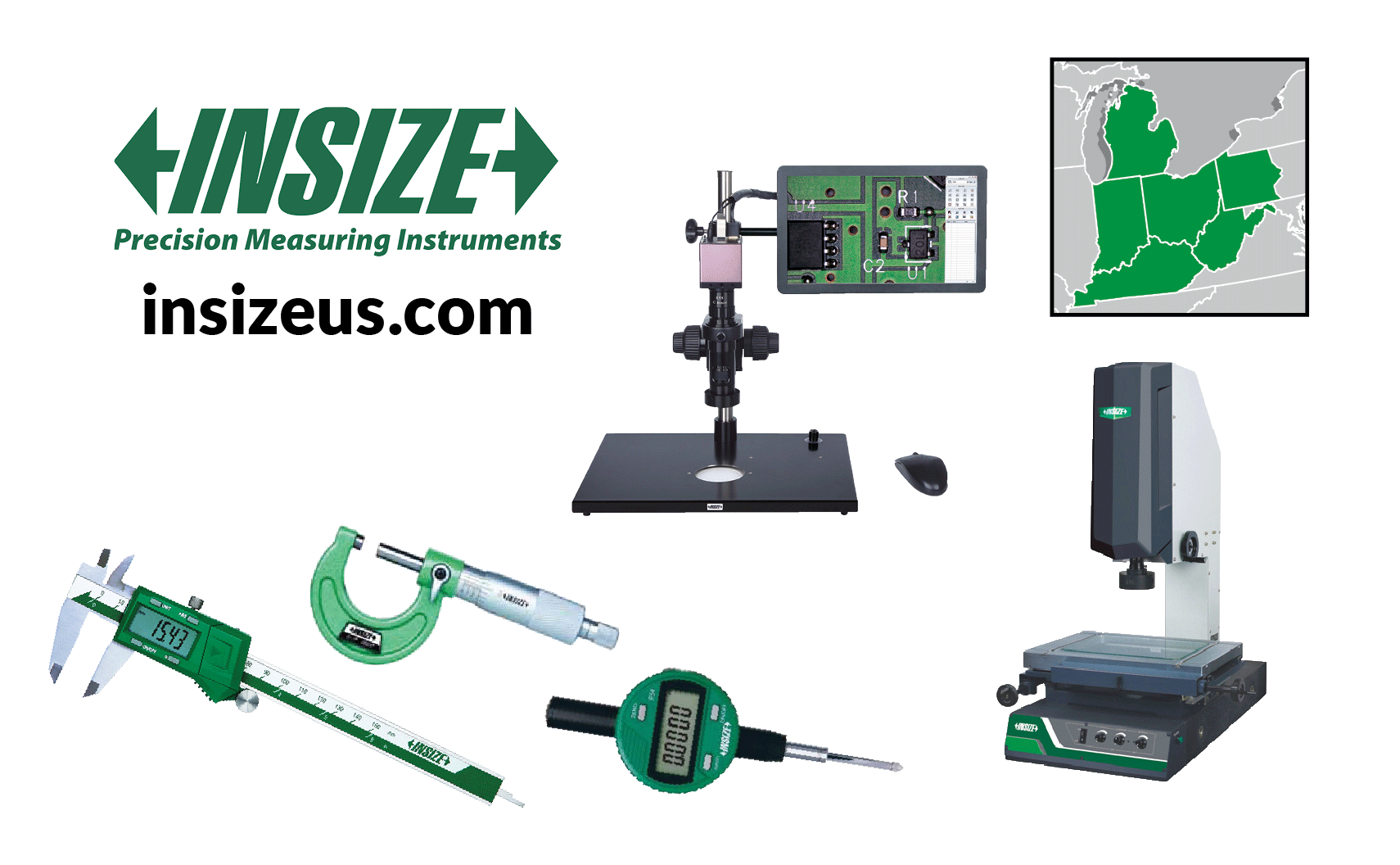
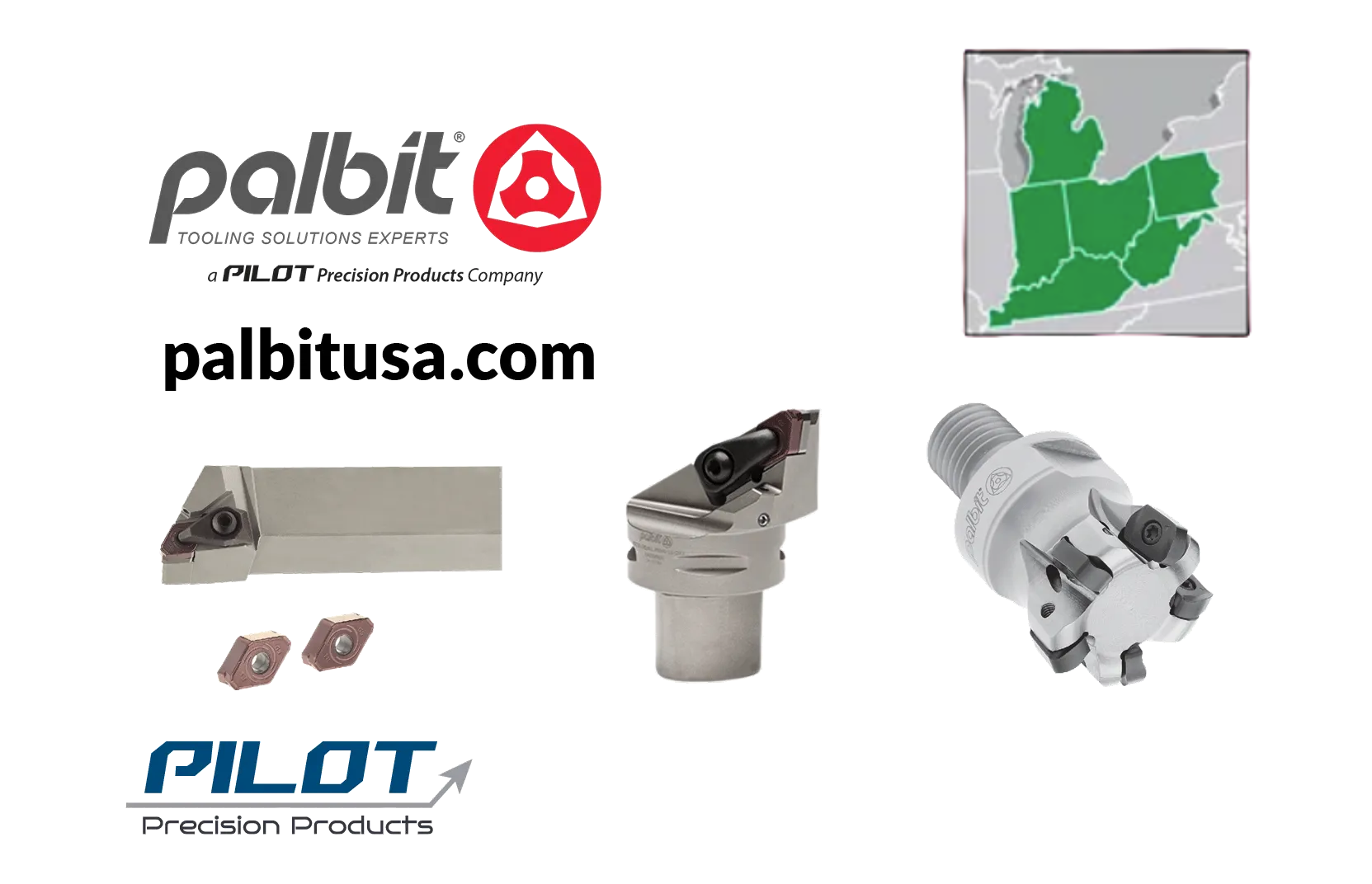
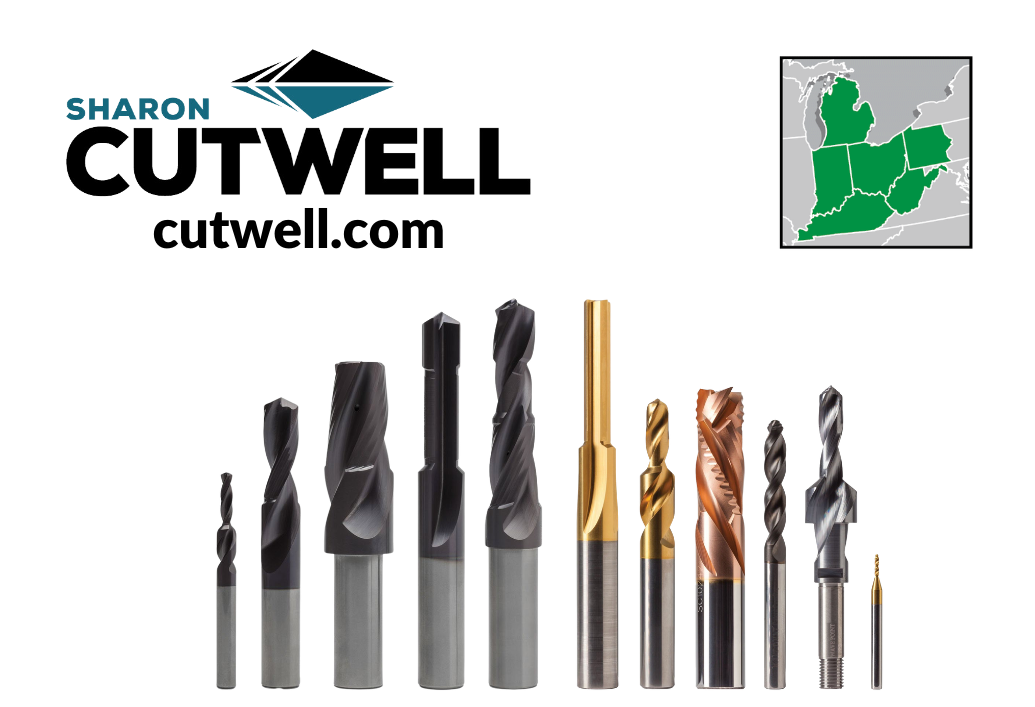
Every week, shop owners in West Michigan get pitched something new. AI-driven analytics. Predictive maintenance. Digital twins. Cobots that program themselves. The promises are big and the language is dense, and for a shop running twelve people and a full order book, there's no clean way to tell what's real from what's a slide deck. That's the gap the Advanced Manufacturing Expo fills. AME exists because Michigan manufacturing doesn't need another abstraction layer. It needs to see equipment run. The show is built around that — halls organized by what you actually do, from metalworking and precision tooling to Industry 4.0 to maintenance and safety, with live demonstrations instead of brochures. Show organizers have been explicit that the goal is helping manufacturers filter a crowded software market down to what will hold up on a real floor. The location isn't incidental either. West Michigan carries one of the highest concentrations of manufacturing employment in the country — furniture, medical device, aerospace, automotive supply — and most of that work happens in tier-two and tier-three shops that don't have the budget to fly an engineering team to Chicago or Las Vegas on a maybe. DeVos Place puts the show inside a day's drive for a huge share of the Midwest supply base. That accessibility is the whole point. Then there's the labor question, which nobody in this industry needs explained. Skilled operators and toolmakers are hard to find and harder to keep. The technology worth paying attention to isn't the kind that promises to replace them. It's the kind that lets the people you already have hit tighter tolerances, change over faster, and spend less of the shift fighting the setup. That's the lens FactoryLink brings to the floor. We don't attend these shows to collect literature. We go because the tooling landscape moves faster than any line card can keep up with, and the only way to know what's worth representing is to see it run and ask hard questions of the people building it. Metrology that captures data without a manual entry step. Workholding that cuts changeover instead of adding a process. Cutting tools and finishing solutions matched to the material in front of you rather than the catalog. The question we keep coming back to is a simple one: does this make the operator's job better, or does it just make the pitch better? AME 2026 runs July 29th and 30th at DeVos Place in Grand Rapids. We'll be exhibiting in booth 922 — not because we've got the operator's job figured out, but because making it better is the work, and that work doesn't stop. That's what this show is built for, and it's why we keep showing up. Come find us. The best conversations happen standing next to the machine.
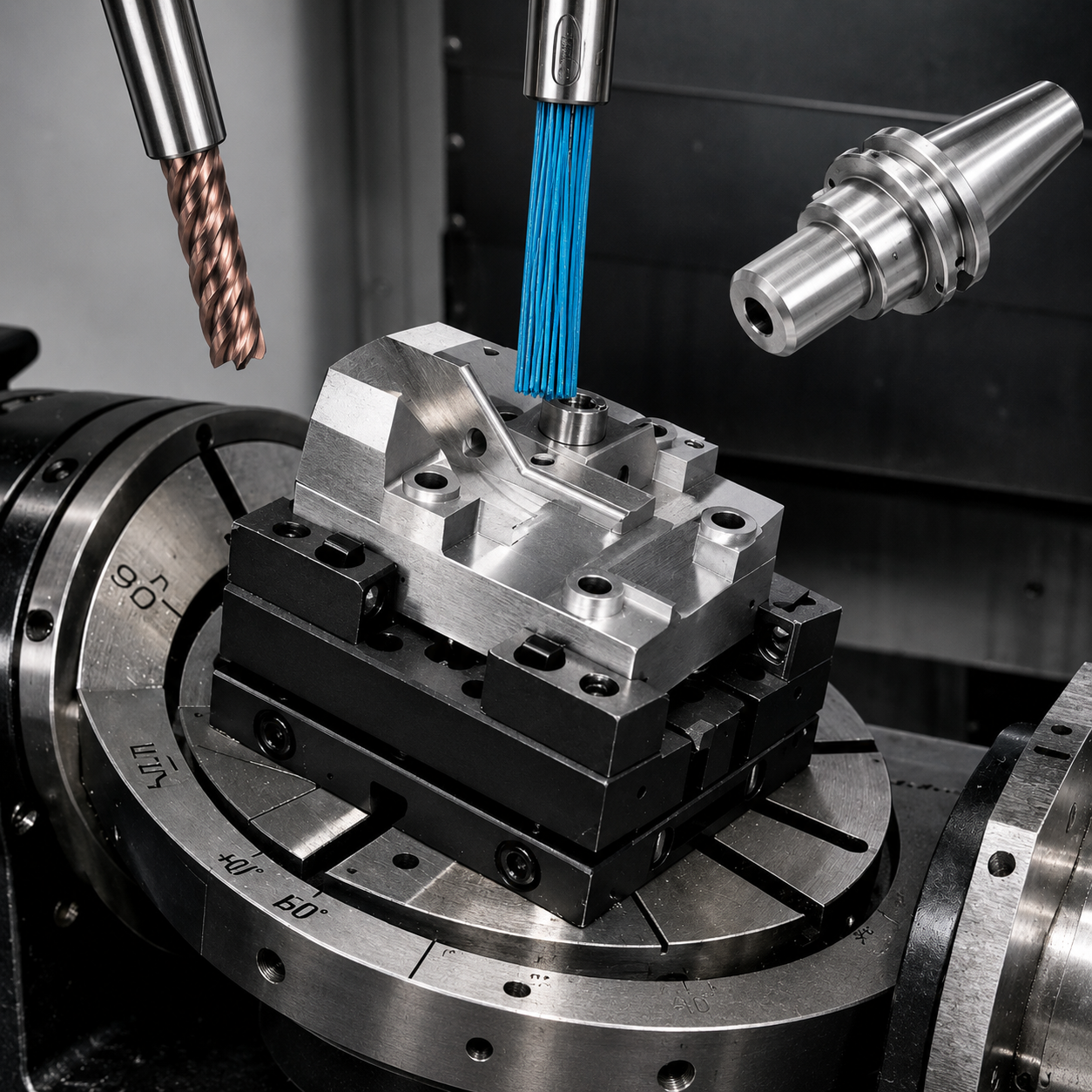
Stainless steel is one of the most common problem materials in Midwest machining shops, and the path to solving it is rarely obvious. When tool life drops on stainless, adjusting speeds and feeds or trying a different brand are reasonable first steps and they help when the parameters are genuinely off. But when the tool geometry isn't matched to the material, parameters alone won't close the gap. Stainless steel puts specific demands on a cutting tool that general-purpose end mill geometry wasn't designed to handle at its best. Understanding what those demands are is what makes the difference between chasing a solution and finding one. The PFERD TOOLS Performance Stainless Line was engineered around exactly these material characteristics. What Stainless Steel Does to General-Purpose End Mills Work Hardening Under the Cutter Austenitic stainless the most common grade in most shops work-hardens rapidly during cutting. If the end mill is rubbing instead of shearing cleanly, the surface beneath it becomes harder than the starting material. The next pass cuts into a harder workpiece than the one programmed for. Chatter and vibration accelerate this cycle. Once work hardening starts, it compounds and tool life drops with every pass. A general-purpose end mill with equal pitch and a standard helix angle will rub where it should shear on stainless. That harmonic pattern is what turns a job that should run clean into a tool-replacement conversation before the end of the shift. Heat Retention in the Cut Zone Most metals transfer cutting heat into the chip and out of the cut zone. Stainless steel has low thermal conductivity it holds heat in the cutting zone. That heat has to go somewhere, and in most cases it goes into the end mill. Coating failure, edge breakdown, and built-up edge (BUE) are all downstream effects of thermal buildup that was not managed at the tool geometry level. Chip evacuation is part of the thermal equation. Chips that linger in the cut zone recycle heat back into the workpiece and the tool. The geometry of the end mill determines how fast chips exit — and on stainless, this matters more than on most materials. Adhesion and Built-Up Edge Stainless steel has a tendency to weld microscopically to cutting edges that are not coated and sharpened for the material. Built-up edge accumulates on the end mill, changes its geometry, and degrades the cut until the edge fails. On a general-purpose tool without the right coating for stainless, BUE starts early and accelerates. What the PFERD TOOLS Performance Stainless Line Addresses The PFERD TOOLS Performance Stainless Line includes the HC4M four-flute solid carbide end mill and the HCD5M five-flute solid carbide end mill with chip dividers. Both tools are engineered specifically for stainless steel and titanium alloys. Three design decisions separate them from general-purpose tooling on this material: 1. Unequal Pitch and Unequal Helix Angle Both the pitch between cutting edges and the helix angle vary around the HC4M and HCD5M. This breaks up the harmonic resonance that drives chatter and vibration in stainless steel. On a general-purpose end mill with equal pitch, each tooth hits the material at a predictable interval stainless amplifies that rhythm into chatter. Varying both pitch and helix disrupts the pattern and keeps the cut stable. Stable cutting on stainless is not a surface finish preference it directly reduces work hardening, which is the root cause of the compounding failure cycle. 2. Optimized Helix Geometry for Chip Evacuation The helix angle on the PFERD TOOLS Performance Stainless end mills is tuned to move chips out of the cut zone faster than a standard tool on this material. In stainless, chip evacuation is thermal management as much as it is surface finish strategy. Chips that clear quickly take heat with them. The HCD5M adds chip dividers engineered for dynamic milling and trochoidal toolpaths at longer reach. Available in 2xD through 5xD lengths, the HCD5M is built for deep cavities and long-overhang stainless operations where chip volume is high and evacuation is critical. If you are running standard stainless profiles, the HC4M handles it. If you are running dynamic toolpaths at extended reach in stainless, that is where the HCD5M earns its place. 3. Material-Specific PVD Coating PFERD TOOLS applies proprietary PVD coatings to the Performance Stainless Line that are optimized for difficult-to-machine materials TI40 across standard diameters on both the HC4M and HCD5M, HP40 on micro-diameter HC4M tools. These coatings are developed alongside the geometry, not added as a separate step. The coating addresses the adhesion problem — reducing the tendency of stainless to weld to the cutting edge and protects the substrate from heat that the geometry alone cannot evacuate. The Cost-Per-Part Argument Moving from a general-purpose end mill to the PFERD TOOLS Performance Stainless Line is not a premium spend it is a cost-per-part calculation. A general-purpose tool that fails early on stainless, produces chatter, and requires rework costs more per part than a material-specific tool running at its designed tool life. The shops that run stainless steel well are not running better machines. They are running the right end mills for the material. Factory Link works with PFERD TOOLS to support machining operations across the Midwest. If your team is fighting tool life or surface finish issues on stainless steel, reach out link in first comment. Endmills wearing out too quickly? Let Factory Link help