Sharon Cutwell - Driving Precision in Hydraulics

Keith Brown • January 16, 2026

How Sharon-Cutwell Tooling Elevates Performance
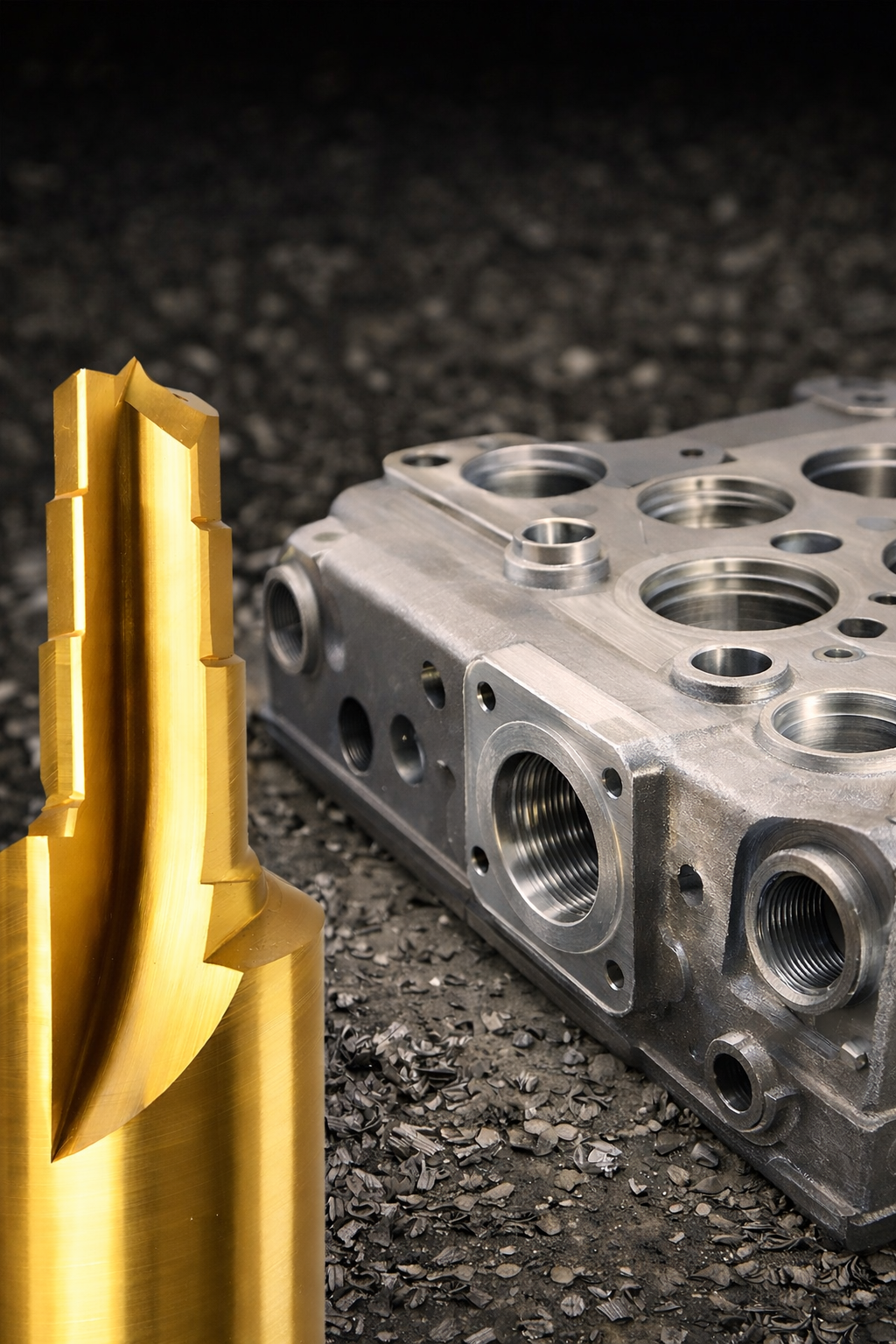
Manufacturers in the hydraulics industry face demanding requirements — extremely tight tolerances, smooth surface finishes, and highly repeatable processes. When your components are powering motion systems, fluid control valves, cylinders, and manifold assemblies, there’s very little room for error.


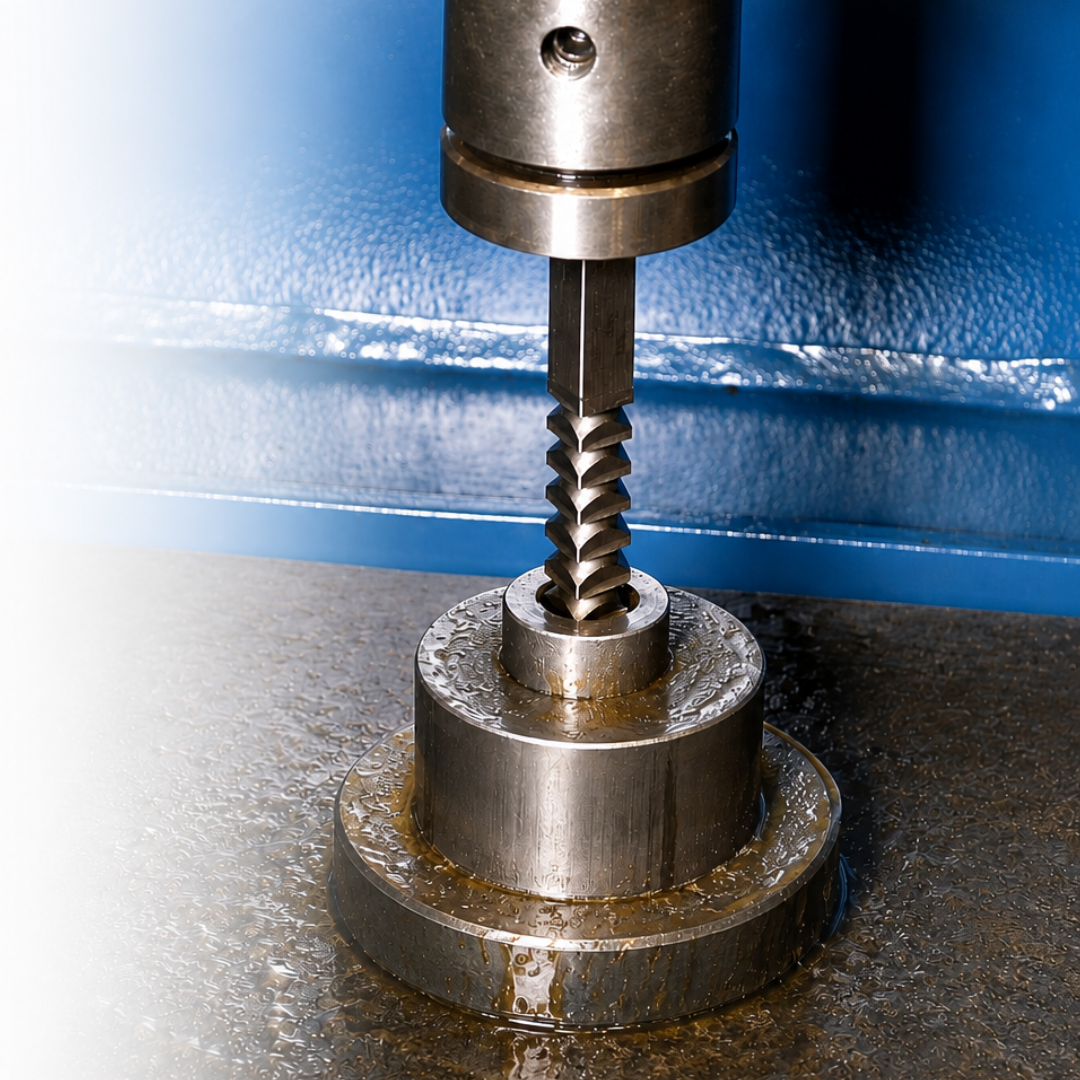
That’s where Sharon-Cutwell’s purpose-built tooling for hydraulics comes in. With engineered solutions tailored to hydraulic manifolds and flow paths, they help keep production efficient, cost-effective, and reliable. Below we dive into how their tools make the difference.


What is Hydraulic ?


Hydraulics power the backbone of modern industry — from construction equipment and aerospace systems to precision machining and manufacturing. By using pressurized fluid, hydraulic systems deliver the strength to lift, press, shape, and move with accuracy and repeatability. This is why precision tooling — like Sharon-Cutwell’s custom reamers, drills, and form cutters — is so essential: even the smallest imperfection in a hydraulic component can impact flow, pressure, and overall system performance.


Why Specialized Tools Matter in Hydraulic Manufacturing

Hydraulic systems rely on precisely machined internal passages, ports, and cavities through which fluid flows under high pressure. If manufacturing deviates even slightly—rough surfaces, dimensional error, or tool chatter—you can get:


  • Pressure Loss


  • Leakage


  • Inconsistent Flow Dynamics


  • Failures or Premature Wear


Therefore, tooling for this application must deliver both accuracy and finish, while being robust over long runs.


The Sharon-Cutwell Difference


Engineering & R&D Investment

Their in-house development ensures continuous improvements in tool geometries, coatings, and process knowledge. 


Quality & Reliability

Their tools are built to deliver consistently across runs, minimizing downtime and rework. 


Customer Service & Support

From quoting to design consultation, they emphasize helping clients manage custom tool inventories without disruptions. 


Application Fit

Rather than a one-size-fits-all, they offer options tailored to the job: roughers, finishers, solid or brazed, optimized for different workpiece materials.


Specifying Hydraulic Tooling

To get the most out of these specialized tools, manufacturers ought to:


  • Define functional tolerances clearly — which surfaces need tight tolerances, and which can be more relaxed


  • Specify required surface finish (Ra, RMS) for flow-critical surfaces


  • Communicate substrate materials (alloy, hardness, casting vs. bar)


  • Share anticipated production volumes or run lengths


  • Collaborate early with your tooling supplier in design and simulation stages


This level of transparency helps the tooling partner optimize geometry, coating, and machining strategy.


Learn how Sharon-Cutwell can optimise your workflow



By Keith Brown March 13, 2026
And Why Other Industries Follow the Same Path
By Keith Brown March 6, 2026
Walk through any shop and you’ll hear a lot about tolerances, feeds, speeds, and tool life. You won’t always hear people talk about surface roughness — at least not until something fails. A seal leaks. A coating flakes. A bearing runs hot. A part that 'looked fine' doesn’t perform. Surface finish isn’t cosmetic. It controls friction, wear, lubrication retention, adhesion, and ultimately whether a component survives in the real world. Why Roughness Testing Matters Surface texture directly impacts: • Performance & Functionality – Proper sealing, lubrication retention, and part interaction. • Durability – Reduced wear, corrosion, and friction-related failures. • Quality Control – Early detection of process variation before scrap piles up. • Adhesion – Reliable bonding of coatings, paint, or plating. Improper roughness doesn’t always look dramatic. Sometimes it’s only a few microinches off. But those few microinches can determine whether a part runs for 10 years — or 10 hours. The Human Side of Surface Finish Every machinist has experienced this moment: You hit the print. The dimensions check out. The part looks clean. Then QC runs a roughness test — and it misses spec. Surface texture isn’t something you can judge by eye. Even experienced machinists can’t 'see' 0.01µin variation. That’s why reliable measurement tools matter. Not to police production — but to protect it. Engineering the Solution The INSIZE ISR-C002 Roughness Tester was built for real manufacturing environments — not lab-only inspection rooms. What It Delivers: • 21 Roughness Parameters (Ra, Rz, Rq, Rmax, etc.) • 0.01µin Resolution • Portable handheld design with 2.56-inch display • Bluetooth & USB output for traceability and SPC • Memory for approximately 100 results Measure immediately. Adjust immediately. Prevent problems immediately. The Result When roughness testing becomes routine: • Scrap decreases. • Rework drops. • Coating failures decline. • Warranty risk shrinks. • Confidence increases across the production chain. Surface finish stops being a guessing game. It becomes controlled. Learn how we can help your shop get a better surface finish
By Keith Brown February 27, 2026
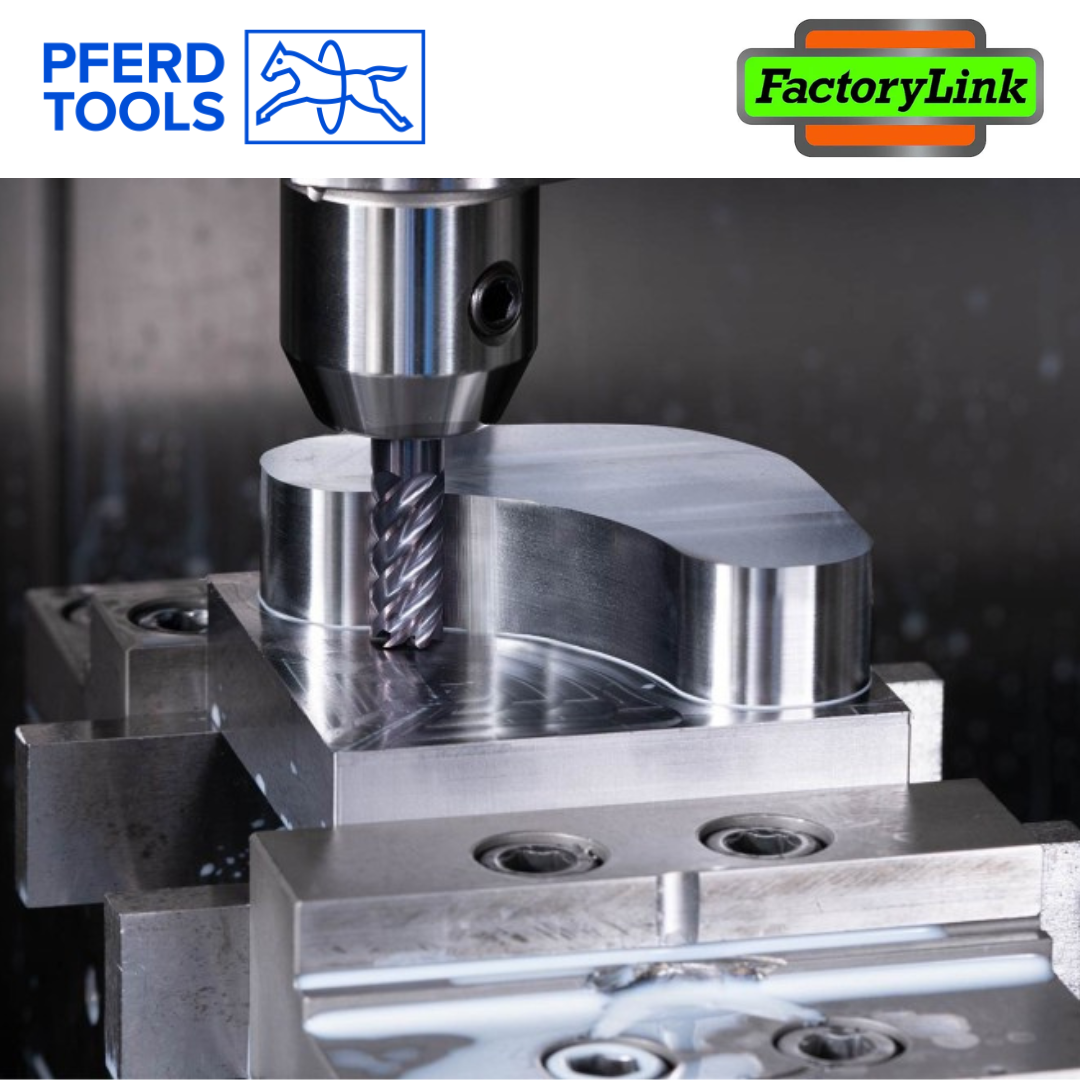
For over 200 years, PFERD TOOLS has built its reputation on precision manufacturing and innovation in abrasives. That same commitment to performance and quality now extends into a broader cutting tool portfolio with the introduction of solid carbide end mills. Manufactured to the same exacting standards that define PFERD TOOLS , these high-performance end mills are engineered for the demanding realities of modern machining. In today’s environment, cutting capability alone is not enough. Productivity, stability, and consistency matter just as much. Tools that wear quickly, vibrate under load, or require frequent changes disrupt workflow and reduce profitability. Solid carbide end mills are designed to solve those challenges — supporting faster, more stable milling across a wide range of demanding materials. PFERD TOOLS’ high-performance solid carbide end mills are built for shops that need reliable results, predictable tool life, and fewer interruptions throughout the workday. Features That Deliver Real Results Application-optimized solid carbide grades – High wear resistance and thermal stability extend tool life while reducing unexpected downtime. Precision cutting geometries – Sharp, consistent edges deliver accurate cuts and improved surface finishes, helping maintain tight tolerances. Advanced wear-resistant coatings – Lower friction and reduced heat generation allow higher cutting speeds and feed rates without sacrificing reliability. Optimized chip control – Smooth chip formation and evacuation promote stable cutting and fewer machine stoppages. Variable pitch flute design – Reduced vibration and chatter improve surface quality while protecting machines during aggressive milling. Material-specific designs – Tools tailored for stainless steel, titanium, hardened steels, cast iron, high-temperature superalloys (HRSAs), and non-ferrous metals deliver predictable performance across applications. The Result Faster cycle times. Longer tool life. More consistent parts. Operators spend less time changing tools or troubleshooting vibration, while shops benefit from smoother workflows and more predictable output. Improved surface finishes can often reduce — or even eliminate — secondary finishing operations, saving time without adding complexity. Bottom Line PFERD TOOLS’ high-performance solid carbide end mills are designed to make milling faster, more stable, and more efficient. By combining premium carbide grades, precision geometries, and advanced coatings, they help shops of all sizes improve performance while keeping long-term costs under control.